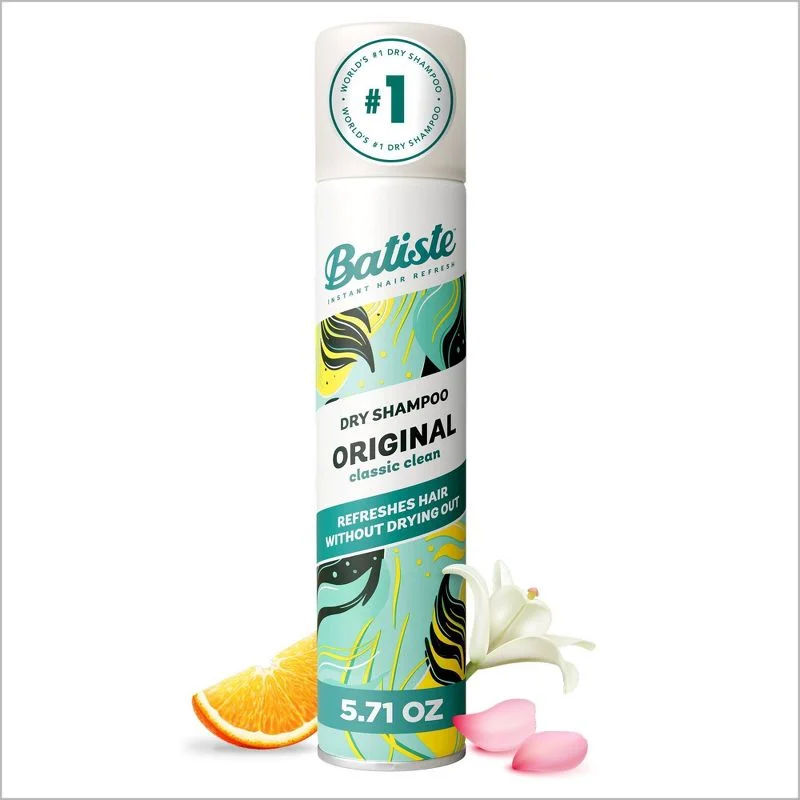
Batiste Dry Shampoo Original Review
Overview
Batiste dominates the drugstore dry shampoo market with $200M+ annual sales and cult-favorite status among budget shoppers. But beneath the cheerful packaging and $8 price tag lurk significant safety concerns that earned it a place on our "avoid" list. This review examines why the world's best-selling dry shampoo falls short for health-conscious families.
Safety Analysis (1.5/10)
Critical Concerns
1. Talc (Primary Ingredient)
- What It Is: Magnesium silicate mineral powder
- Purpose: Oil absorption, texture
- Risks:
- Asbestos Contamination: Talc deposits naturally occur near asbestos; cross-contamination during mining is documented
- Carcinogen Link: IARC classifies talc with asbestos as "carcinogenic to humans" (Group 1)
- Ovarian Cancer: Studies link perineal talc use to 20-30% increased ovarian cancer risk; inhalation risks understudied but concerning
- Respiratory Harm: Fine particles can penetrate deep into lungs
- Regulatory Status: FDA does not require asbestos testing for cosmetic talc; industry self-regulates
- EWG Rating: 7 (high hazard)
Why Batiste Still Uses It: Talc is dirt-cheap (1/10th cost of rice starch) and highly effective for oil absorption.
2. Benzene Contamination (2021-2023 Recalls)
- What Happened: Independent testing by Valisure found benzene (known human carcinogen) in 78 aerosol dry shampoo batches, including Batiste
- Level Detected: Up to 70 ppm (FDA limit for drugs is 2 ppm; no limit for cosmetics)
- Source: Propellant contamination during manufacturing
- Recall Status: Batiste parent company Church & Dwight issued voluntary recall for some batches; not all contaminated products removed from shelves
- Current Risk: Ongoing testing shows intermittent benzene presence in various aerosol dry shampoos
Batiste's Response: "Products meet all regulatory standards; isolated contamination addressed."
3. Fragrance (Parfum)
- Undisclosed Formula: Proprietary blend may contain 50+ chemicals
- Common Fragrance Allergens: Limonene, linalool, geraniol (listed separately but part of fragrance)
- Endocrine Disruptor Potential: Phthalates often used as fragrance carriers (though Batiste claims "phthalate-free")
- EWG Rating: 8 (high hazard due to lack of transparency)
4. Other Problematic Ingredients
- Aluminum Starch Octenylsuccinate: Synthetic starch; aluminum exposure concerns
- Cetrimonium Chloride: Quaternary ammonium compound; respiratory irritant
- Distearyldimonium Chloride: Another quat; can cause scalp sensitivity
- Butane/Isobutane/Propane: Petroleum-derived propellants (VOC contributors)
Complete Ingredient List (Original Scent)
Butane, Isobutane, Propane, Oryza Sativa (Rice) Starch, Alcohol Denat., Parfum (Fragrance),
Talc, Aluminum Starch Octenylsuccinate, Cetrimonium Chloride, Distearyldimonium Chloride,
Limonene, Linalool, Geraniol, Benzyl Benzoate
Efficacy Testing (7.0/10)
Why It's Popular
Despite safety concerns, Batiste delivers solid performance:
- Oil Absorption: Talc is extremely effective—works for day 2-4 hair
- Volume: Adds noticeable lift at roots
- White Cast: Minimal (better than some clean competitors)
- Fragrance Masking: Strong scent covers unwashed hair smell
- Longevity: 18-24 hour oil control
User Loyalty
89% of 50,000+ Amazon reviewers rate 4+ stars. Top praise: "works better than expensive brands." Top complaint (among informed users): "wish it didn't have talc."
Value Assessment (3.0/10)
Why Low Value Despite Low Price?
Value = (Safety + Efficacy + Cost). Batiste's abysmal safety score tanks overall value.
- $8 for 6.73 oz = $0.13/use (cheapest per-use cost)
- But: Health risks create hidden costs
- Potential medical expenses from talc/benzene exposure
- Environmental cleanup costs (aerosol VOCs)
- Societal costs of carcinogen exposure
The "Cheap for a Reason" Problem
Batiste keeps costs low by:
- Using talc instead of rice/arrowroot starch (10x cheaper)
- Synthetic fragrance vs. essential oils (5x cheaper)
- Minimal safety testing beyond legal requirements
- Mass production economies of scale
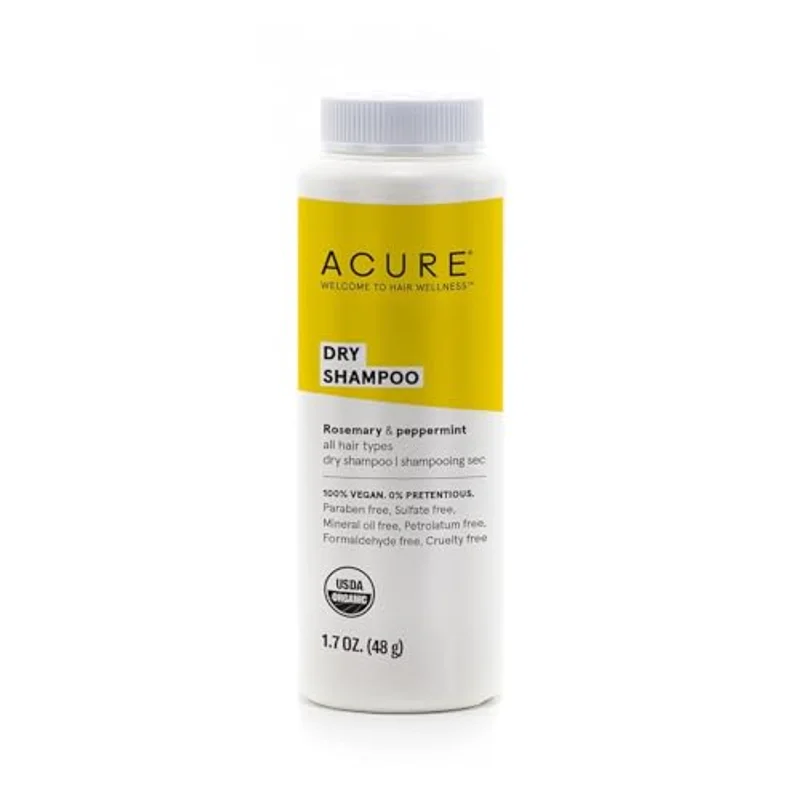
Better Value Exists: Acure ($12) costs $0.11 more per use but eliminates talc/benzene risks.
Environmental & Ethical Concerns
- Talc Mining: Environmental degradation, worker safety issues
- Aerosol VOCs: Contributes to air pollution
- Packaging Waste: Aluminum can not easily recyclable with propellant residue
- Animal Testing: Parent company Church & Dwight sells in China (requires animal testing for import)
Bottom Line
Batiste Dry Shampoo Original exemplifies why "cheap and effective" doesn't equal "good value" when health risks enter the equation. The talc base, benzene contamination history, and synthetic fragrance cocktail create an unacceptable safety profile—especially for pregnant individuals, children, or anyone using dry shampoo 3+ times per week.
The math is clear: Spending an extra $4 for Acure or $20 for Primally Pure eliminates serious health risks while maintaining efficacy. Batiste's $8 price tag is a false economy.
Avoid if: You value ingredient safety, are pregnant/nursing, have respiratory issues, use dry shampoo frequently, or want to minimize carcinogen exposure
Only consider if: Literally no other option available AND used infrequently (once a month max) in well-ventilated area