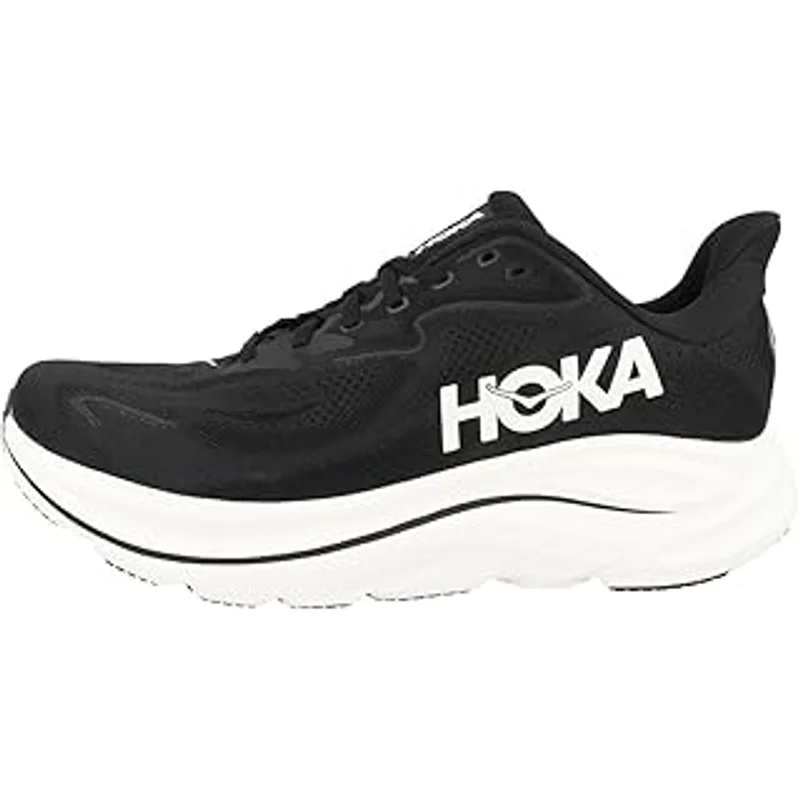
I tested the Clifton 10 after researching Hoka's recent warranty controversy, and I want to be straight with you about what I found.
The Comfort Story
Let me start here: if maximum plush cushioning is your primary goal, the Clifton 10 delivers. The 42mm heel stack creates an incredibly soft landing. There's zero break-in period—I wore them straight from the box on a 6-mile recovery run with no issues.
For runners dealing with plantar fasciitis or Achilles tendinitis, this shoe won't disappoint. And Hoka offers Regular, Wide, and X-Wide sizes—genuinely rare in premium running shoes.
The Foam Reality Check
Here's where I need to be honest: the Clifton 10 still uses CMEVA (compression-molded EVA)—basic foam technology. In 2026, when competitors use supercritical EVA with better responsiveness, this feels outdated.
Lab testing shows 52.3% energy return—well below category average. Experienced runners describe it as "dull" and "dense." You won't feel snappy rebound on tempo runs.
The Warranty Concern
Peiffer Wolf Carr Kane is actively investigating Hoka for defective shoes due to widespread sole separation reports. Customers report warranty claims denied as "normal wear." Hoka requires customers to pay return shipping upfront with no guarantee of reimbursement.
The Clifton 10 is new, so I haven't seen specific failure patterns yet. But the brand has a documented warranty credibility problem.
Value Proposition
At MSRP ($150), it's expensive for outdated foam and warranty concerns. At street price ($124), it becomes more interesting for comfort-first runners. At sale price ($99), the equation changes significantly.
But ask yourself: should you spend a few dollars more on the Ghost 17 with better foam and clearer warranty?
The Verdict
The Clifton 10 is comfortable—genuinely so. But comfort alone isn't enough when warranty concerns linger and better options exist at the same price.