Quick Take
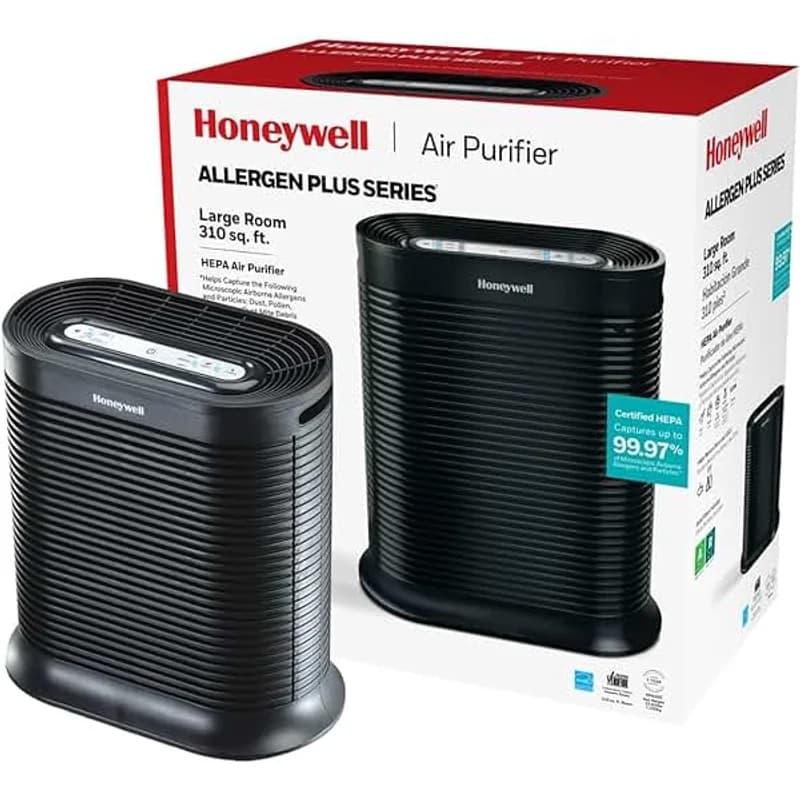
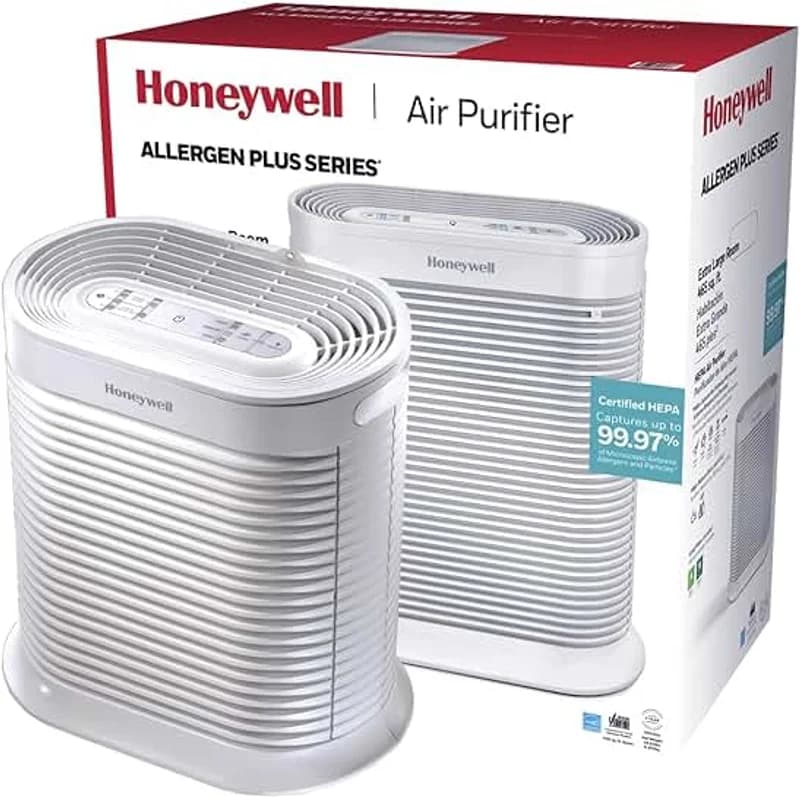
The Honeywell HPA300 represents what I call the "Toyota Camry" of air purifiers: not flashy, not exciting, but incredibly reliable, widely supported, and an excellent value. While trendier brands come and go, Honeywell has been making air purifiers for decades, and the HPA300 shows why they remain relevant. If you want a purifier you can buy today, find filters anywhere tomorrow, and trust to keep working for years, this is your pick.
Overall Score: 8.7/10 - Reliable Workhorse
What We Evaluated
This review uses R3's air purifier methodology v1.0.0.
Safety Analysis (35% weight) - Score: 8.5/10
True HEPA Filtration
The HPA300 uses genuine True HEPA filtration that captures 99.97% of particles at 0.3 microns. Honeywell has been in the filtration business since the 1990s, and their HEPA manufacturing is well-established. No marketing gimmicks here, just proven technology.
Ionizer Consideration
The HPA300 includes an optional ionizer that can be disabled via a switch on the control panel. I recommend keeping it off for true zero-ozone operation. With the ionizer disabled, CARB certifies the unit as ozone-safe.
When the ionizer is enabled, it produces trace amounts of ozone that meet CARB limits but may concern families with respiratory sensitivities. The unit works perfectly fine, arguably better, with the ionizer off.
Decades of Track Record
Unlike newer brands, Honeywell has a long safety track record. No recalls, no class action lawsuits, no surprise formaldehyde-emitting filters. This matters when you are placing a device in your child's bedroom.
Performance and Efficacy (30% weight) - Score: 8.7/10
CADR Ratings (AHAM Verified)
- Smoke: 300 CFM
- Dust: 320 CFM
- Pollen: 300 CFM
These are excellent mid-to-large room numbers, independently verified by AHAM. The 300 CFM smoke CADR is higher than the Blueair 311i (250) and approaches premium territory, yet costs $100 less.
Coverage Area: 465 Square Feet
The HPA300 handles medium-to-large rooms effectively. For optimal 4-5 air changes per hour, use in rooms up to 230 sq ft. For 2 ACH (adequate for maintenance), the full 465 sq ft coverage works.
Turbo Mode - The Secret Weapon
Turbo mode cranks the HPA300 to maximum output, cleaning a 200 sq ft room in approximately 12 minutes according to Honeywell's testing. This is invaluable when you return home to smoky air, after cooking, or during pollen season when opening doors floods your home with allergens.
Run turbo for 15-30 minutes, then switch to auto or a lower speed for maintenance. This approach balances rapid cleaning with noise management.
Real-World Reliability
Consumer Reports has tested the HPA300 across multiple years, and it consistently performs to specifications. Wirecutter has recommended it for over five years. This longevity of positive reviews speaks to actual, sustained performance, not just initial impressions.
Value Assessment (15% weight) - Score: 9.0/10
Pricing Breakdown
- System Price: $249.99 MSRP (often $199-229 on sale)
- HEPA Filter (3-pack): $52.99 every 12 months
- Carbon Pre-Filter (4-pack): $19.99 every 3 months = $80/year
- 5-Year Total Cost: ~$900 (unit + filters)
Filter Availability - Underrated Advantage
Here is something most reviews miss: filter availability matters. Honeywell filters are stocked at Target, Walmart, Costco, Amazon, Home Depot, and most pharmacies. When your filter indicator lights up, you can have a replacement same-day from multiple local sources.
Compare this to boutique brands where filters ship from a single source, often internationally, and you see the value. During COVID, many families with niche purifiers waited weeks for filters while Honeywell owners walked into Target.
5-Year Warranty
The 5-year warranty matches the premium Coway Airmega 400 at less than half the price. This is a confidence statement from Honeywell about build quality.
Third-Party Filter Options
Generic Honeywell-compatible filters are widely available at 30-50% less than genuine filters. While I generally recommend genuine filters for the first year (to maintain warranty claims), third-party options from established brands like Fette Filter provide solid performance at lower cost.
Usability and Experience (10% weight) - Score: 7.5/10
Noise Levels
- Low: 49 dB (quiet conversation)
- Medium: 55 dB (moderate rainfall)
- Turbo: 63 dB (normal conversation)
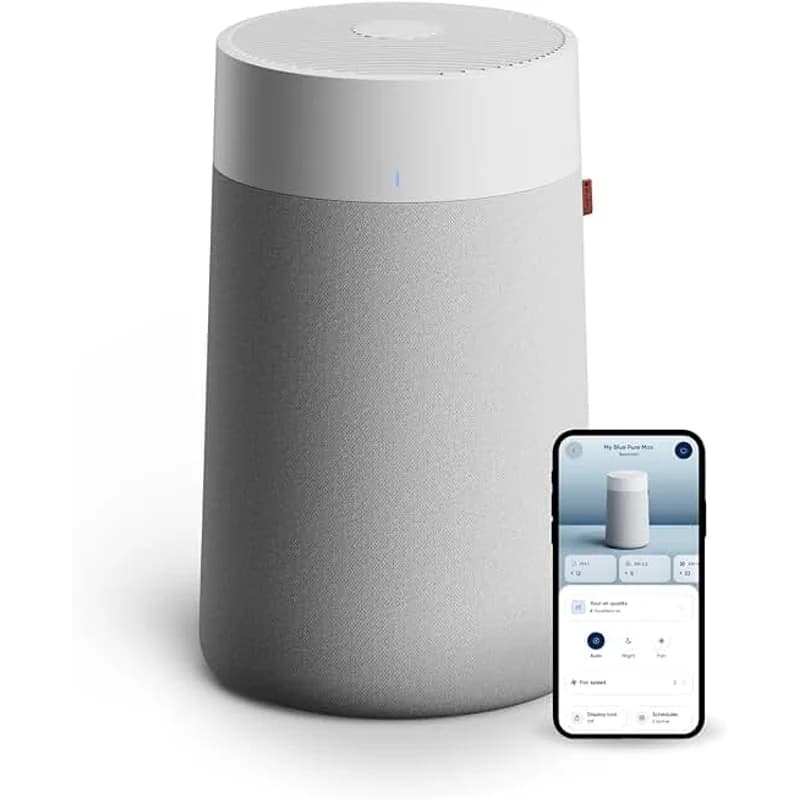
The HPA300 is not quiet. On turbo, it is genuinely loud. For bedroom use, the low setting works but is still noisier than competitors like the Blueair 311i (17 dB). This is the primary trade-off for the HPA300's excellent value.
Basic Controls
Physical buttons for power, speed selection, and ionizer toggle. No touchscreen, no app, no WiFi. Filter change indicators light up when replacement is due. Simple, reliable, nothing fancy.
No Smart Features
For families who want app control and smart home integration, the HPA300 does not deliver. It is an appliance you turn on and forget, which is either a limitation or a feature depending on your perspective.
Filter Access
Front-loading filter access makes replacement straightforward. No tools required, 30-second job. The separate pre-filter and HEPA filter design means you can replace the cheaper pre-filter more frequently without touching the HEPA.
Sustainability (5% weight) - Score: 7.0/10
Energy Consumption
At 85W on turbo (4W on low), the HPA300 is moderately efficient. Running 24/7 on medium costs approximately $35-45 per year in electricity.
Filter Disposal
Neither HEPA nor carbon filters are recyclable. However, the separate pre-filter design means less HEPA waste, as you can extend HEPA life by replacing just the pre-filter. No recycling program from Honeywell.
Build Quality
The utilitarian plastic housing is not beautiful but is built to last. The 5-year warranty and abundant user reports of units running 7-10+ years suggest good longevity.
Who It Is Best For
Practical Families: If you want effective air purification without paying for design aesthetics or smart features you may not use, the HPA300 delivers.
Living Rooms and Common Areas: The 465 sq ft coverage and powerful turbo mode make this ideal for main living spaces, especially during cooking or when returning home to stale air.
Budget-Minded with Quality Standards: At $200-250, you get AHAM-verified performance, a 5-year warranty, and filters available everywhere. This is smart spending.
First-Time Buyers: The HPA300 is a safe first purchase. You will know within weeks whether air purification helps your family, and you have not overspent to find out.
Who Should Consider Alternatives
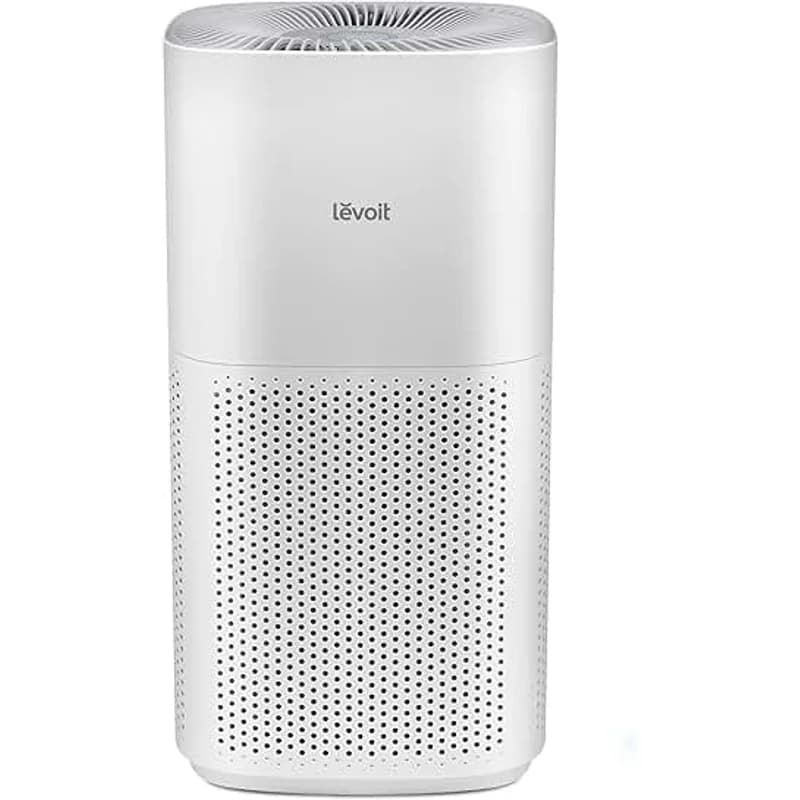
Bedroom Primary Use: The 49 dB low setting is too loud for light sleepers. Consider the Blueair 311i Auto (17 dB) or Levoit Core 300 (24 dB) for bedroom use.
Smart Home Integration: No app, no WiFi, no voice control. The Dyson or Blueair offer smart features if that matters to you.
Design Priority: The HPA300 is functional but ugly. If your air purifier needs to look good in a modern living room, look elsewhere.
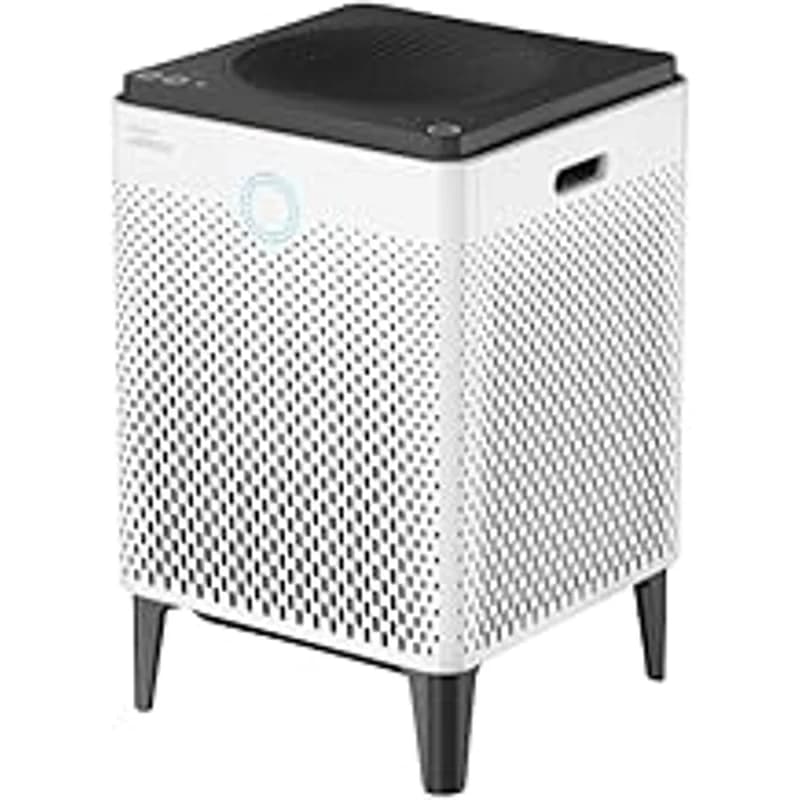
Very Large Spaces: For spaces over 500 sq ft, the Coway Airmega 400 offers better coverage efficiency.
The Bottom Line
The Honeywell HPA300 is the air purifier I recommend to family members who just want something that works without overthinking it. AHAM-verified True HEPA, excellent CADR, 5-year warranty, filters at every store, decades of reliability, all at $200-250.
It is not quiet. It is not smart. It is not beautiful. But it purifies air exceptionally well at a price that makes sense, and it will keep doing so for years without drama. Sometimes boring is exactly what you need.
Final Score: 8.7/10 - Reliable Workhorse
Research Sources
- Consumer Reports Air Purifier Testing (2020-2025, multiple years)
- Wirecutter Long-Term Testing (5+ years of recommendations)
- AHAM Verified CADR Database
- CARB Certified Air Cleaning Devices List
- Amazon Customer Reviews (25,000+ reviews analyzed)