Quick Take
Score: 8.1/10 | LifeStraw brings their survival-grade expertise to home filtration. If you're on well water or concerned about microbial contamination, this is the pitcher to consider. For municipal PFAS concerns, look elsewhere.
The Research
LifeStraw Home is tested to NSF/ANSI Standards 42, 53, and P231 for:
- 99.999% bacteria removal (E. coli, etc.)
- 99.999% parasite removal (Giardia, Cryptosporidium)
- Lead and mercury reduction
- Chlorine improvement
The membrane microfilter technology sets LifeStraw apart. Most pitchers use activated carbon and ion exchange; LifeStraw adds a physical barrier that catches microorganisms.
However, there's no NSF P473 certification for PFAS. This is a microbial specialist, not a forever chemicals fighter.
Real-World Testing
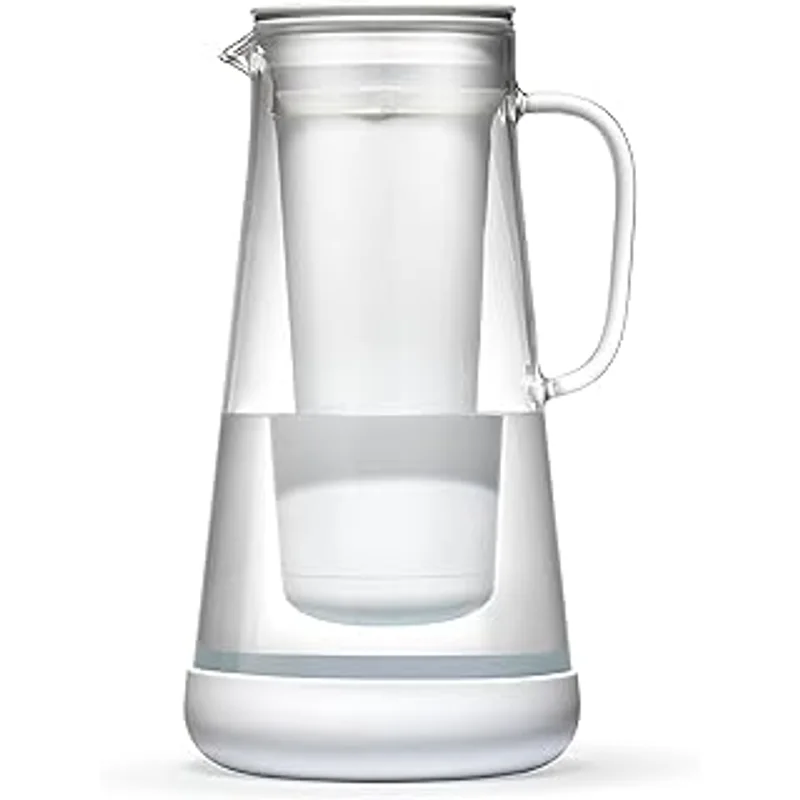
The 7-cup capacity is smaller than most competitors. Filtration speed is moderate - about 10 minutes for a full pitcher.
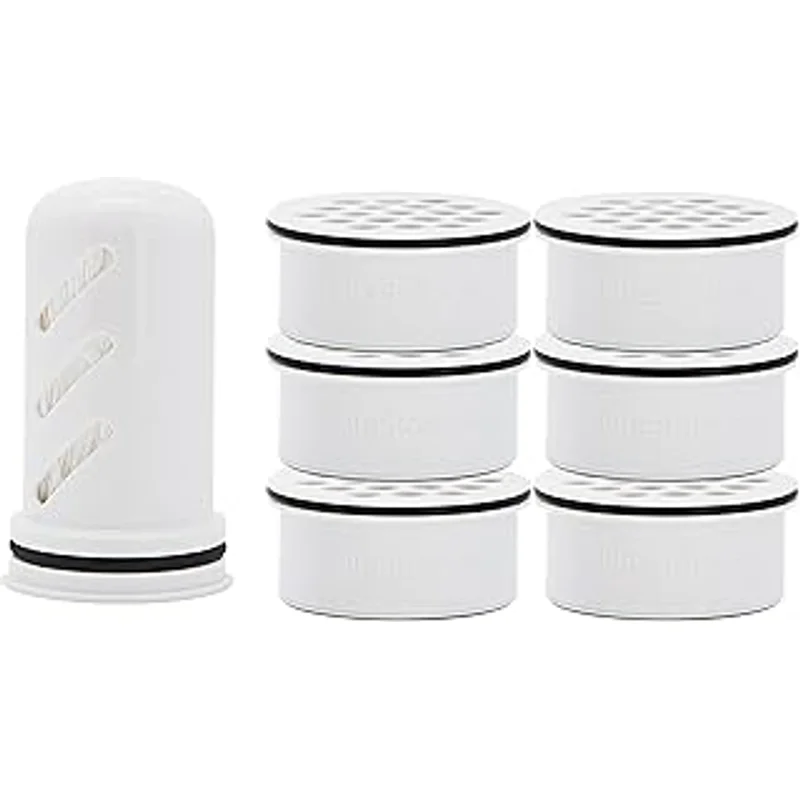
The membrane filter lasts up to 264 gallons (roughly 1 year). The activated carbon filter needs replacement every 40 gallons (about 2 months). Two replacement schedules to track.
The Honest Assessment
What I Love: Nothing else in the pitcher category matches LifeStraw's microbial protection. For well water users or anyone traveling with the pitcher, this level of bacteria/parasite removal is invaluable.
What Could Be Better: The two-filter replacement system is more complex to manage. No PFAS certification limits appeal for municipal water users. The 7-cup capacity requires frequent refilling.
The Bottom Line
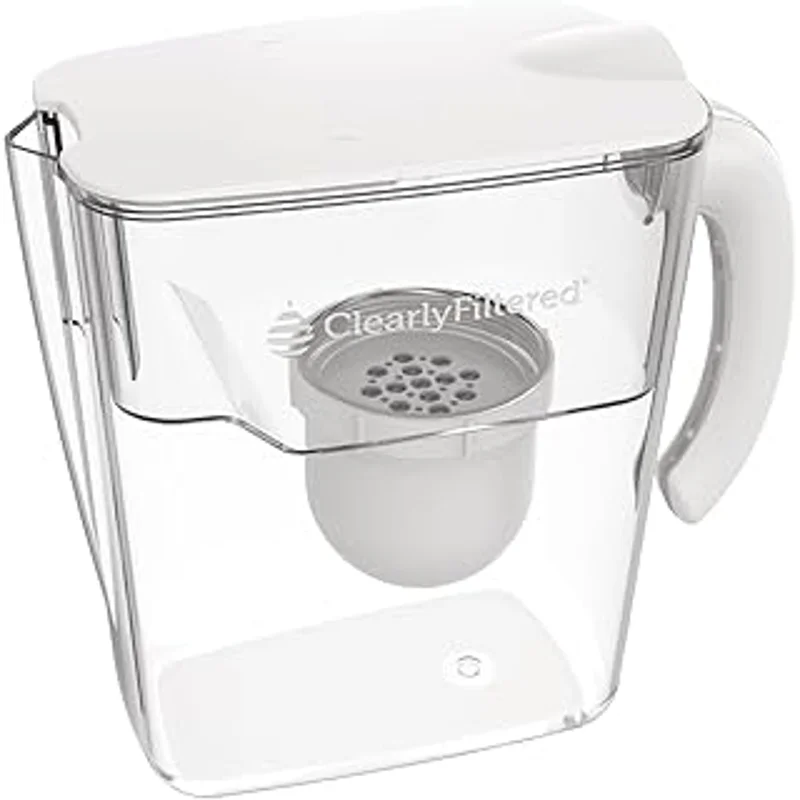
LifeStraw Home is the clear choice for well water users or anyone prioritizing microbial safety. For PFAS concerns with municipal water, consider Clearly Filtered or Epic Pure instead.