Quick Take
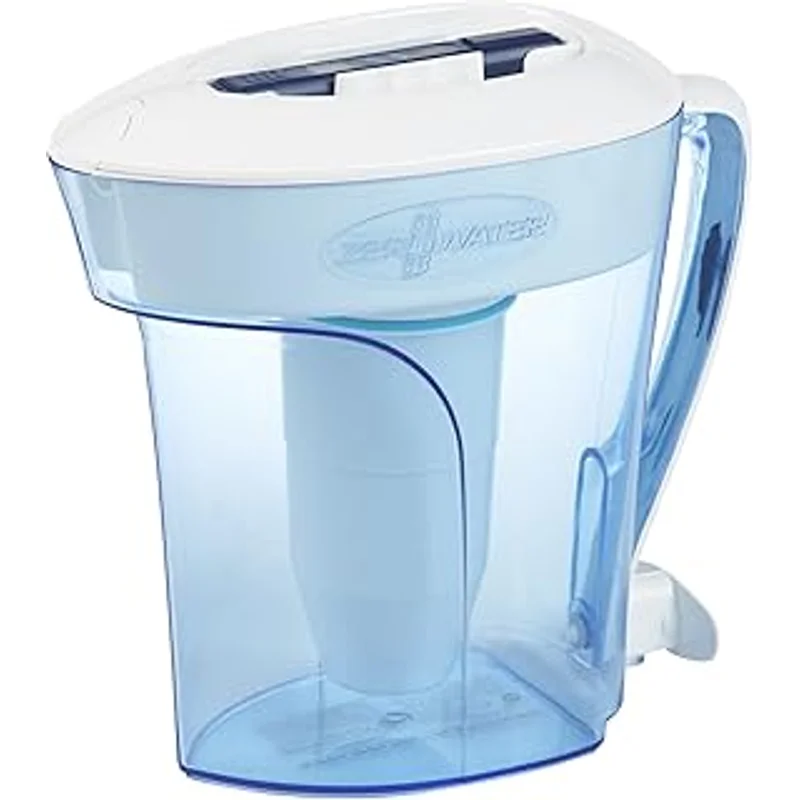
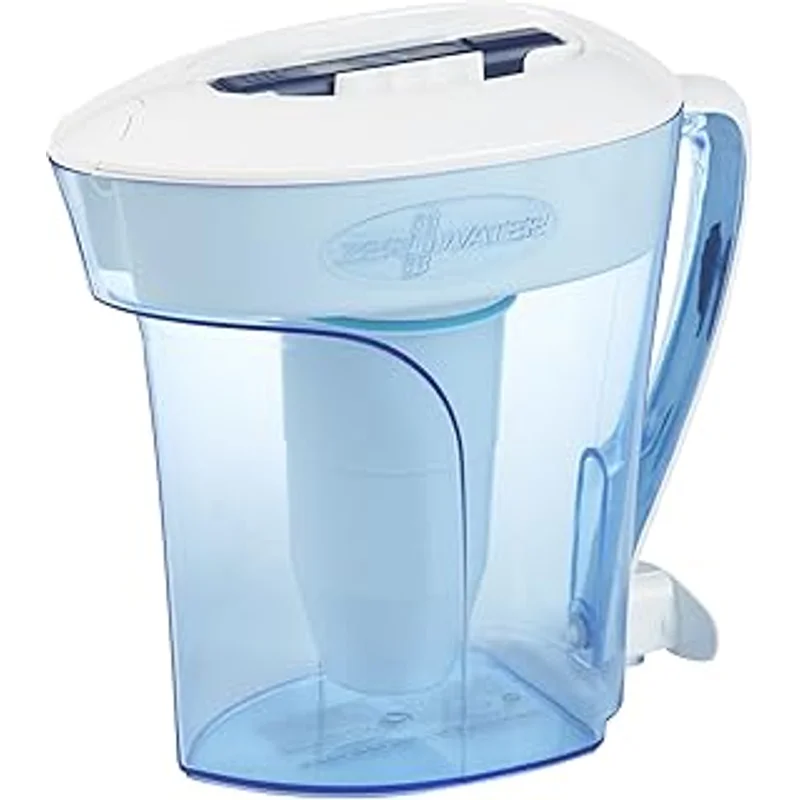
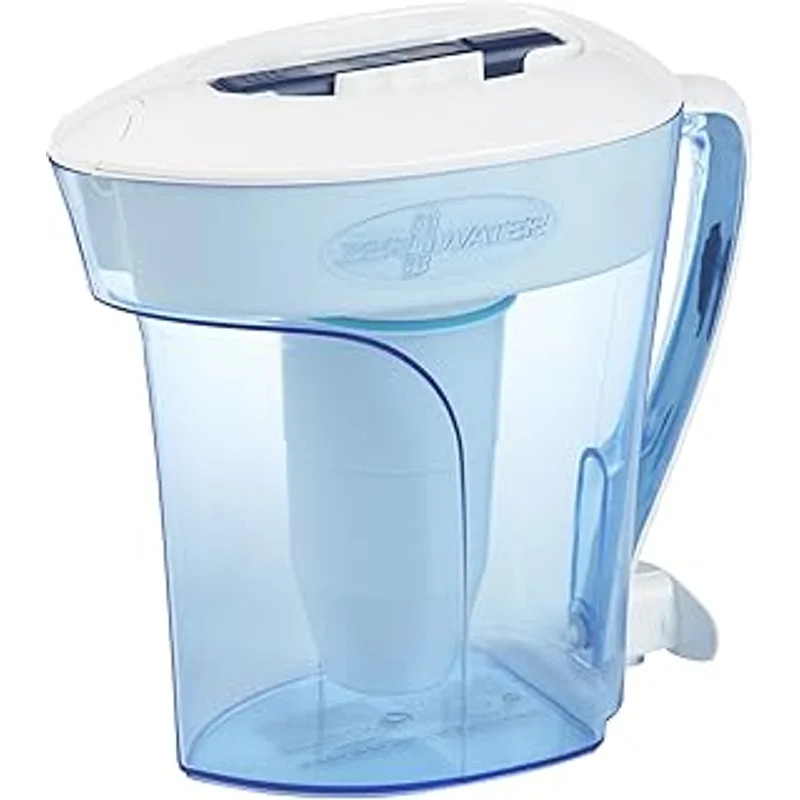
Score: 8.0/10 | ZeroWater is fascinating because it does exactly what it promises - bringing your water to 0 parts per million total dissolved solids. The included TDS meter proves it. But that thoroughness comes with trade-offs worth understanding.
The Research
ZeroWater's 5-stage filtration is IAPMO certified to reduce lead, chromium, mercury, and PFOA/PFOS. In independent testing, it achieved approximately 100% PFAS removal - the highest of any pitcher tested in a Montreal tap water study.
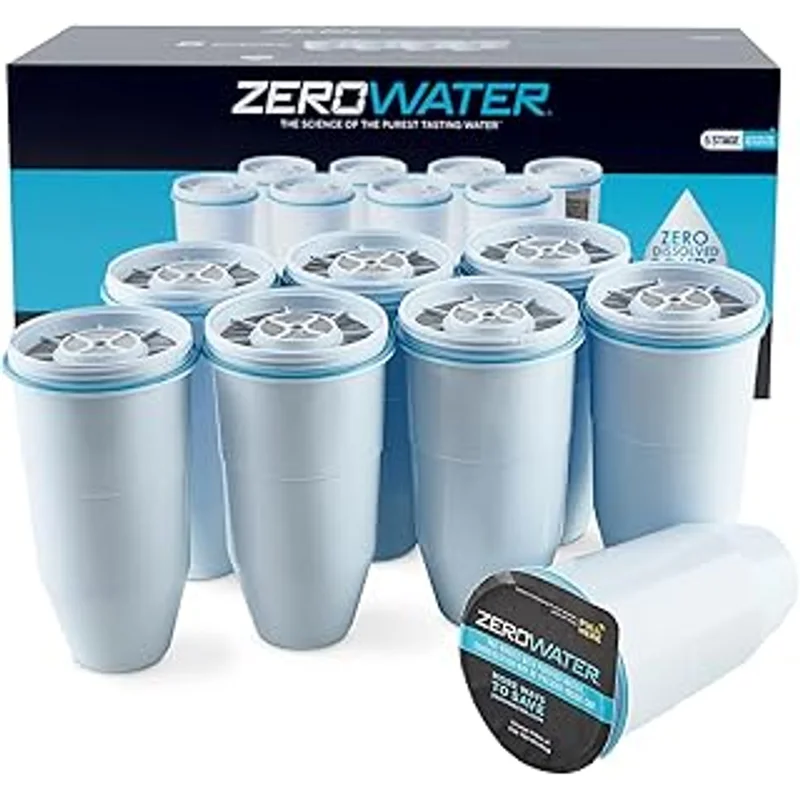
The 5-stage process:
- Coarse filter screen
- Foam distributor
- Multi-layer activated carbon and oxidation reduction alloy
- Dual comprehensive ion exchange
- Ultra-fine screen and non-woven membrane
The included TDS meter lets you verify filtration is working. When readings reach 006, it's time to replace the filter.
Real-World Testing
Here's where ZeroWater gets complicated. In lab testing, the water's TDS measured 8 PPM - not quite zero - though the included meter showed 0. The precision difference matters less than what the filtration removes.
The bigger issue: filter life. Depending on your source water quality, filters last 8-40 gallons. In areas with hard water, you might replace filters monthly. That adds up quickly.
The Honest Assessment
What I Love: The TDS meter provides tangible proof your filter is working. PFAS removal performance is excellent. The 5-stage process is genuinely more thorough than 2-stage competitors.
What Could Be Better: ZeroWater removes beneficial minerals like calcium and magnesium along with contaminants. Some users report a slight acidic taste from demineralized water. Filter replacement frequency (and cost) can be frustrating in hard water areas.
The Bottom Line
ZeroWater is ideal for families wanting measurable proof of filtration performance, but the ongoing filter costs and mineral removal may not suit everyone.