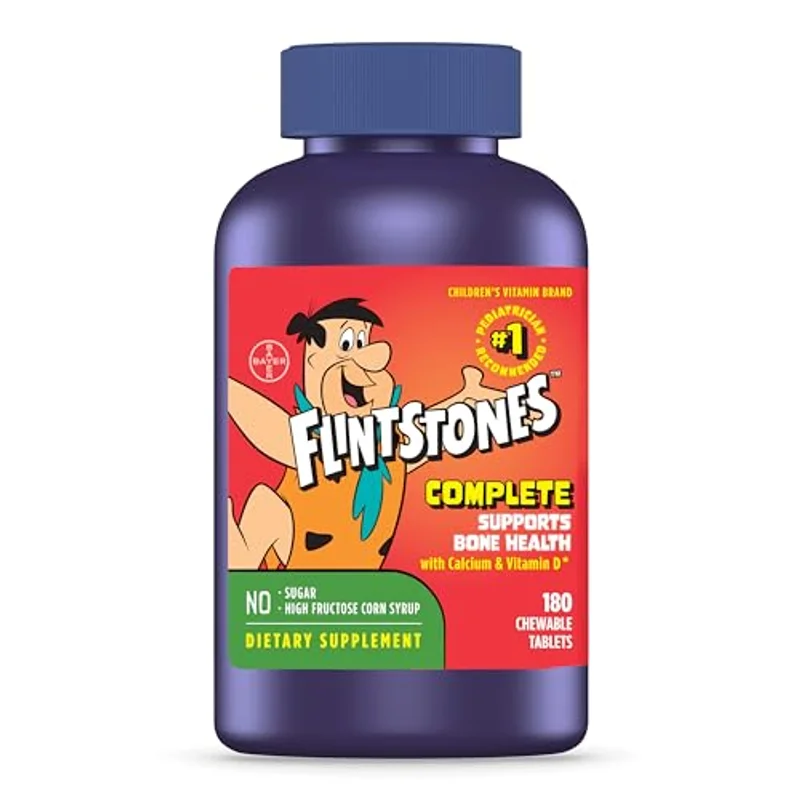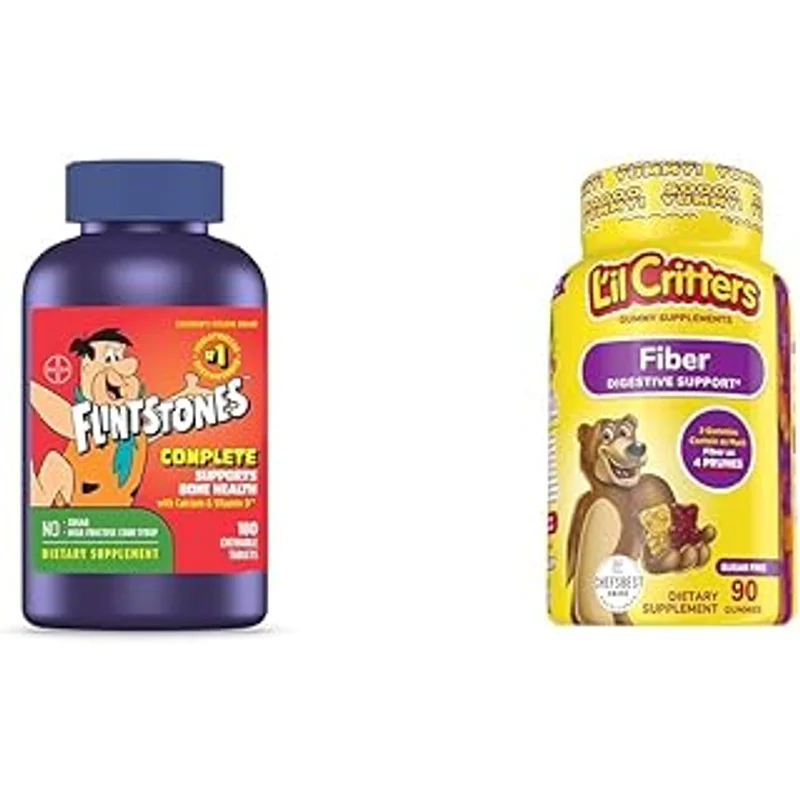
Flintstones Complete Chewables Review
Why We Rate This "Avoid"
Flintstones has been America's best-selling children's vitamin for decades. Many of us grew up on them. But the formula has not kept pace with what we now know about artificial additives and children's health. I wish I could recommend them for the nostalgia alone, but the ingredient list makes that impossible.
Safety Analysis (2.5/10)
Third-Party Testing: Not Published Bayer (the parent company) does not publish third-party testing results for Flintstones. Given the brand's resources, this lack of transparency is concerning. We have no way to verify potency or purity claims independently.
Artificial Colors: FAILS Contains multiple synthetic dyes linked to behavioral issues in children:
- Red 40 (Allura Red): The most common food dye, linked to hyperactivity in sensitive children. Requires warning labels in the EU.
- Blue 2 (Indigo Carmine): Petroleum-derived. Some studies link to tumors in animal testing.
- Yellow 6 (Sunset Yellow): Another petroleum derivative. Banned or restricted in some countries.
These dyes serve zero nutritional purpose. They exist solely to make the vitamins look colorful. There are natural alternatives, Bayer chooses not to use them.
Artificial Sweeteners: FAILS Contains aspartame, an artificial sweetener controversial for decades. While FDA-approved, many parents avoid aspartame based on:
- Potential neurological effects in developing brains
- Gut microbiome disruption
- Simply not wanting synthetic sweeteners in daily supplements
Also contains sorbitol and mannitol (sugar alcohols, less concerning but can cause GI upset in some kids).
Heavy Metal Testing: Unknown No published heavy metal testing results. Given that Flintstones is manufactured at massive scale with cost optimization in mind, we cannot verify contamination levels.
Allergen Concerns: Moderate Contains no major allergens but is manufactured in facilities that process allergens. Not certified allergen-free.
Efficacy Analysis (6.5/10)
Nutrient Completeness: 7/10 The formula does cover essential vitamins and minerals:
- Vitamin A, C, D, E, K
- B vitamins
- Iron: 18mg (100% DV, notable because many competitors exclude iron)
- Zinc, Iodine
Bioavailable Forms: 5/10 Uses older, cheaper nutrient forms:
- Folic acid (not methylfolate)
- Cyanocobalamin B12 (not methylcobalamin)
- Vitamin D3 (at least this is correct)
- Non-chelated minerals
Iron Inclusion: Notable Flintstones is one of few kids vitamins that includes iron. This is relevant for kids with iron deficiency but also a safety concern (iron is a leading cause of pediatric poisoning if overdosed).
Value Assessment (8.5/10)
Monthly Cost: ~$9 for 60 tablets At 1 tablet per day, this is roughly $4.50/month or $0.15/day.
Cost Comparison:
- Flintstones: $0.15/day
- Hiya: $0.50/day (3.3x more)
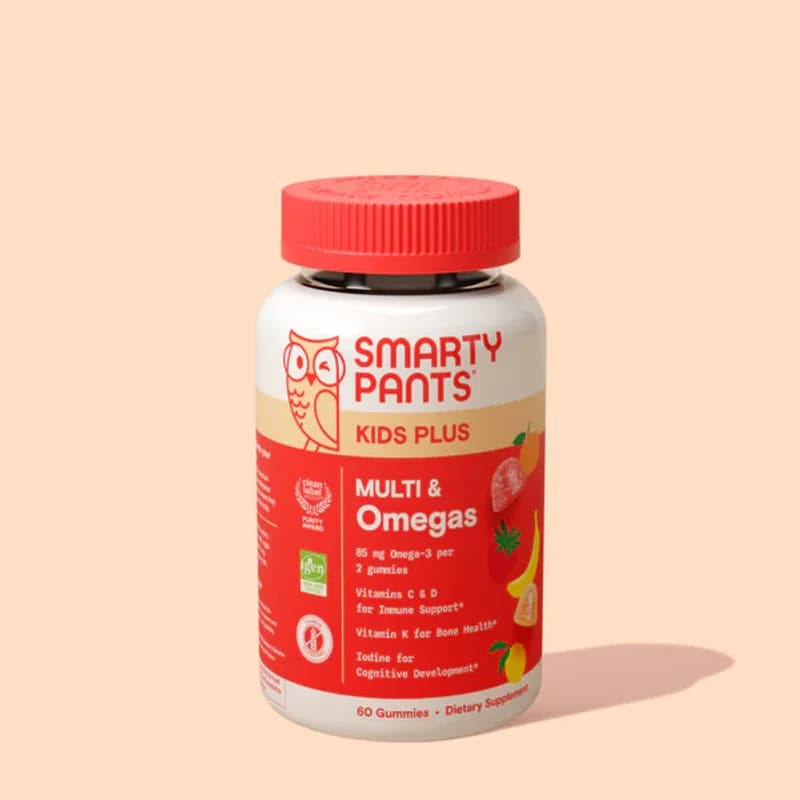
- SmartyPants: $0.90/day (6x more)
Is Cheap Worth It? Flintstones wins on price by a large margin. But the artificial colors and sweeteners mean you are paying less for a product I cannot recommend giving to children daily. The savings are not worth the ingredient trade-offs.
Usability (7/10)
Taste: 7/10 Kids generally like the taste. The artificial sweeteners do their job making it palatable. Character shapes (Fred, Wilma, etc.) are fun for kids.
Format: Chewable 1 tablet per day. Easy dosing.
Age Range: 2+ Marketed for ages 2-12.
Availability: 10/10 Available everywhere: CVS, Walgreens, Target, Walmart, Amazon, grocery stores. This ubiquity is both a pro (convenience) and contributes to the problem (millions of kids eating artificial colors daily).
The Bottom Line
Flintstones Complete Chewables is a relic of a time when we did not know better about artificial additives. The nostalgic branding masks a formula containing multiple synthetic dyes linked to behavioral issues, aspartame sweetener, and cheaper nutrient forms. While the price is attractive, the ingredient trade-offs are not worth it. For the cost of 2-3 months of Flintstones, you could buy one month of Hiya or another clean alternative that does not load your kids with petroleum-derived food dyes every morning.
Avoid For: Families prioritizing clean ingredients, children with behavioral sensitivities, anyone avoiding artificial colors/sweeteners Only Consider If: You have zero budget flexibility, pediatrician specifically recommends for iron content, and you accept the ingredient trade-offs